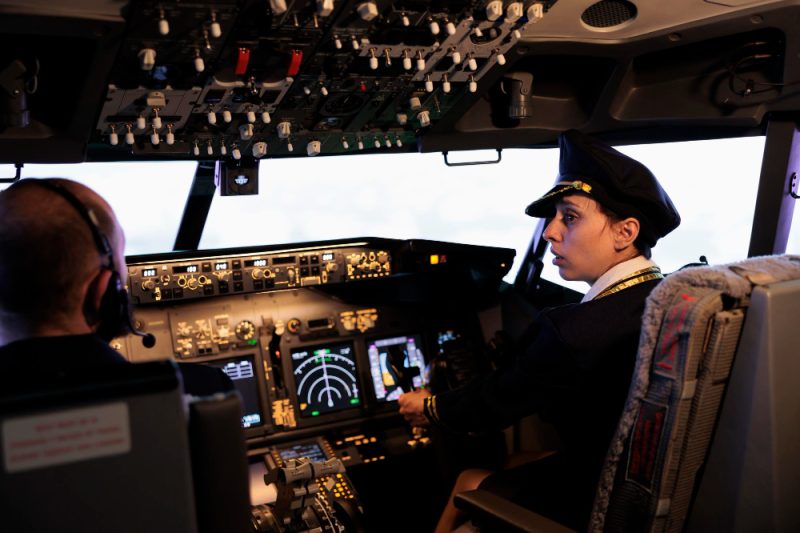
Delta Flight Instructor Rating Program (2026)

What Will Prospective Flight Instructors Need to Know?

A Delta Flight Instructor Rating program provides qualified pilots training to teach flight instruction including instructor ground school, practical training, assessment, and requirements of Transport Canada.

Being a Flight Instructor Alters Your Entire Perspective about Flying

Although flying an aircraft requires skill and finesse, teaching flying is another level.

There’s a big difference between being a student and being an instructor.

When you’re a student, you’re trying to learn a new maneuver.

When you’re an instructor, you have to break it down and explain it to your student, identify what’s wrong with their performance, and know how to address it.

More importantly, you need to have the patience for it.

For pilots considering a Flight Instructor Rating Program in Delta, understanding the responsibilities involved is as imperative as understanding the training involved.

What is a Flight Instructor Rating?

A Flight Instructor Rating is an additional qualification to a pilot license which enables the pilot to provide flight training within the constraints of the Canadian Aviation System.

It is not a basic/preliminary license.

Before pursuing instructor training, a pilot is required to have the prerequisite pilot license and experience as set by Transport Canada.

The instructor training thereafter focuses on developing skills to instruct flying safely and efficiently.

Who Can Pursue a Flight Instructor Rating?

The first and foremost thing that a prospective candidate wishing to become an instructor must understand is that they must hold a qualifying pilot license and must comply with requirements set by Transport Canada.

Transport Canada’s criteria for a Class 4 Flight Instructor Rating – Aeroplane includes certain criteria related to the applicant’s licence, experience, knowledge, training and flight-test performance.

Students must confirm the current requirements before starting their application, as regulatory requirements are subject to change.

Admissions can provide program information and requirements at Insignia College.

What does flight instructor training include?

Instructor training consists of both ground and flying training.

A flight instructor candidate is not just a student learning how to fly from the right seat. A candidate is also being trained how to teach.

Ground School

According to the current standards, 25 hours of ground school instruction is required to gain a Class 4 Flight Instructor Rating – Aeroplane.

Ground training can cover the following:

  • Learning and teaching methods
  • Lesson planning
  • Pre-flight briefing
  • Flight instruction
  • Post-flight debriefing
  • Pilot decision-making
  • Flight training administration

Teaching skills are crucial.

In addition, the instructor needs to understand the concept of what they are teaching.

Flight Training

It is through flight training that candidates develop their teaching skills.

Aeroplane Instructor Rating – Class 4, requires at least 30 hours of dual flight training, as per Transport Canada’s current standards.

This training can cover the following:

  • Right seat flying
  • Teaching private pilot exercises
  • Teaching cross country flying
  • Teaching instrument flight
  • Demonstrating flight maneuvers
  • Identifying and correcting student errors
  • Preparing for the instructor’s flight test

This training may feel different from the normal pilot training.

While working on your own control of the aircraft, you have to keep an eye on your student to evaluate performance.

Why Communication Is Such An Important Instructor Skill

A technically correct explanation isn’t always a good explanation.

Students understand things in different ways.

One student may understand a maneuver after watching it.

Another student may need it broken down into smaller steps.

Someone else may need to understand the reasons behind it before they understand the exercise.

A good instructor recognizes these differences.

Because of these differences communication becomes very important when training a student to fly.

What Does A Flight Instructor Do Before A Flight?

Teaching starts before the engine is run.

A flight instructor may prepare lessons, discuss objectives, and tell the student what they need to know to expect during the flight.

A good briefing can make a practical lesson a lot more productive.

What Happens During The Flight?

During the flight, the instructor needs to evaluate the student’s performance.

They may have to demonstrate an exercise, explain a procedure, or monitor the student’s control of the aircraft and identify the mistakes the student is making.

They correct those mistakes and answer any questions the student has.

The instructor has to keep an eye on safety the entire time.

What Happens After The Flight?

A lesson isn’t always over when the airplane lands.

A post-flight discussion is another important teaching opportunity.

The instructor is able to discuss:

  • What was done well
  • Areas for improvement
  • Itinerary for additional practice of skills
  • What should be looked over prior to next class

Feedback is most useful when it gives students something to work on.

The saying “that was good” or “you need to improve” is not feedback.

The student has to be able to identify problems for themselves and understand next steps.

Written Examination Requirements

Instructor candidates are required to demonstrate their understanding through Transport Canada’s applicable Flight Instructor Rating examination.

To obtain a Class 4 Flight Instructor rating for aeroplanes, the candidate has to obtain at least 70% of the applicable Flight Instructor Rating examination.

This is another reason to pay close attention to ground training.

A future flight instructor must understand the teaching material well enough to teach it to somebody else.

The Instructor Flight Test

This assessment is different from demonstrating your ability to fly the aircraft.

This examination evaluates your capacity to teach.

For this evaluation, there is a focus on demonstrating various exercises and teaching techniques.

You must also ensure that you’re operating the aircraft in a safe manner.

At this stage, the focus should be on technique and familiarity.

The exercises required for this assessment shouldn’t be something you’re doing for the first time.

How Long Will This Training Take?

Due to the different levels of experience, and progress of individual students, the length of training varies.

Prospective students should contact the admissions department of Insignia College to find out more about the training program.

Projected program durations are useful for scheduling, but individual progress varies.

Training is subject to various constraints.

One should aim for competency as an instructor, not race to the finish.

What Should You Consider Before Starting?

If you want to start the Flight Instructor Rating Program in Delta, think about why you want to be an instructor.

Would you enjoy being able to give examples, demonstrations, and explanations to someone so that they’d learn to do the same?

Would you be able to maintain patience and kindness while a student repeatedly makes the same mistake?

Would you be able to explain to someone why they’re making a mistake, offer suggestions, and provide help without being negative?

What About International Students?

If you’re considering flying instructor training in Canada and have questions about studying and visas, contact Insignia College.

Insignia College’s admissions officers are unable to provide any immigration or legal assistance.

If you have questions related to your specific situation or your eligibility, you should contact Immigration, Refugees and Citizenship Canada, a licensed immigration consultant, or a lawyer.

What Does Having a Flight Instructor Rating Mean for Your Aviation Career?

If being a pilot and an instructor is something you enjoy and are passionate about, you have the opportunity to help many new student pilots gain the basics of flying and keep developing your own flying skills as well.

You learn to be more mindful of your choices.

You begin to recognize your biases.

You pay more mindful attention to minute details.

These traits are with you for life.

Why Consider Insignia College for Flight Instructor Training?

Located in Delta, BC, Insignia College offers a robust training environment for students wishing to become flight instructors. The training incorporates both theoretical and practical aspects, and utilizes an integrated approach toward meeting Transport Canada standards.

Prospective flight instructors who already possess a pilot’s license and wish to participate in the Flight Instructor Rating Program at Insignia College, Delta, are invited to contact the College for additional information and to learn about training and admission protocols.

A flight instructor is a mentor and a role model.

They are responsible for safety and have a very special kind of responsibility for someone else’s learning and actions.

Call Now Button
Notice: Surrey Campus is Closed.